
In today’s digital world, a website is often the first point of contact between a business and its potential clients. A well-designed website not only represents a brand but also plays a crucial role in attracting visitors, building trust and generating conversions.
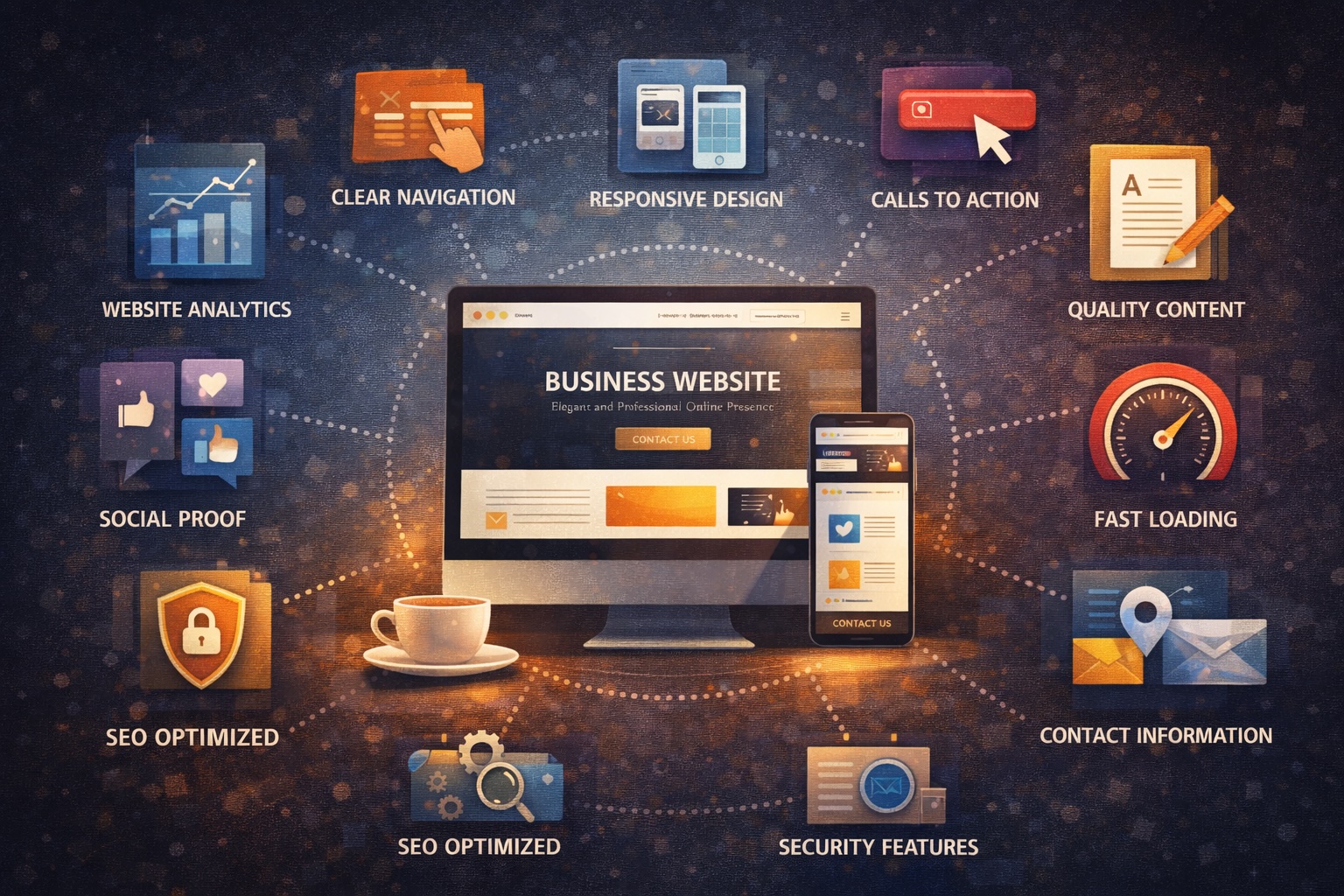
Successful websites share several key characteristics that combine strong branding, UX/UI design and professional web development.
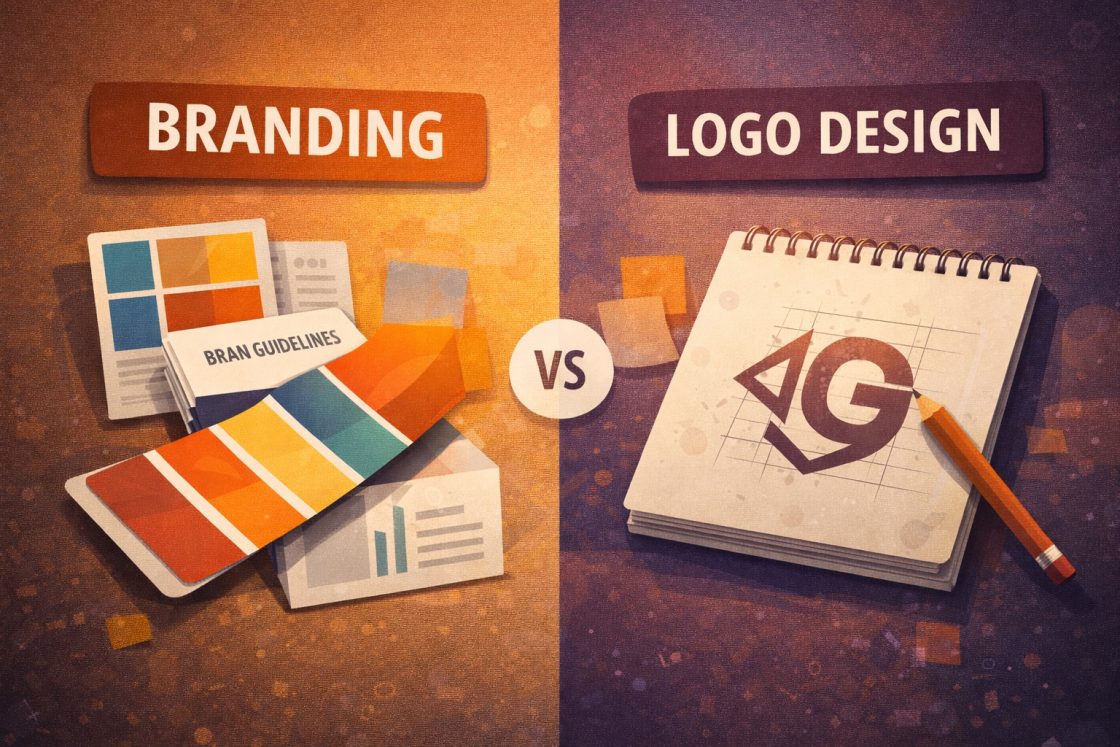
1. Clear brand identity
A high-performing website clearly communicates the identity of the business. Visitors should immediately understand who the company is, what it offers and what makes it unique.
Strong branding includes:
-
consistent colour palette
-
professional typography
-
coherent visual style
-
clear messaging
A strong brand identity helps build credibility and trust.
2. User-friendly UX/UI design
A website should be intuitive and easy to navigate. Visitors should be able to find important information within seconds.
Good UX/UI design focuses on:
-
clear navigation
-
logical page structure
-
readable content
-
well-placed calls to action
When users enjoy browsing a website, they stay longer and engage more with the content.
3. Mobile responsiveness
More than half of all website traffic now comes from mobile devices. For this reason, responsive design is essential.
Professional web development ensures that a website works perfectly on:
-
smartphones
-
tablets
-
laptops
-
desktop computers
Responsive websites improve both user experience and search engine rankings.
4. Fast loading speed
Website speed has a direct impact on user behaviour. Slow websites frustrate visitors and increase bounce rates.
Optimised websites load quickly thanks to:
-
efficient code
-
optimised images
-
proper hosting infrastructure
Speed is also an important ranking factor in SEO.
5. Clear call-to-action
Every website should guide visitors toward a specific action. Whether it is contacting the company, requesting a quote or making a purchase, the website should clearly communicate the next step.
Effective calls to action improve conversion rates and help businesses achieve their goals.
6. Search engine optimisation
A beautiful website is not enough if potential clients cannot find it online.
SEO involves:
-
keyword optimisation
-
structured content
-
technical optimisation
-
high-quality information
Search engine optimisation helps websites attract organic traffic and increase visibility.
7. High-quality content
Content is one of the most important elements of any website. Well-written texts help explain services, educate visitors and improve search engine rankings.
Professional websites often include informative sections such as blog articles or case studies.
8. Security and reliability
Security is crucial for both businesses and users. Secure websites protect sensitive data and ensure safe browsing.
Modern websites implement:
-
SSL certificates
-
secure authentication
-
regular updates and maintenance
9. Integration with digital tools
Modern websites often connect with other digital systems, such as analytics platforms, marketing tools or payment systems.
These integrations allow businesses to better understand user behaviour and manage their digital ecosystem effectively.
10. Consistent visual design
Finally, high-performing websites maintain a consistent visual style across all pages.
A well-structured design system ensures that the website looks professional and cohesive.
By combining strong branding, thoughtful UX/UI design and high-quality web development, businesses can create websites that not only look impressive but also deliver real results.